Many businesses invest heavily in digital marketing but struggle to see consistent results. The problem is rarely a lack of effort or budget—it’s a lack of clarity.
Understanding the types of digital marketing is not about knowing every channel. It’s about choosing the right combination of channels that align with your business goals, sales cycle, and growth stage.
This guide is designed for decision-makers who want more than surface-level explanations. It breaks down digital marketing types through a strategy-first lens, helping you understand how each channel contributes to real business growth—and how to use them together effectively.
Table of Contents
What Digital Marketing Really Means in Today’s Market
Digital marketing is the strategic use of online channels to attract, convert, and retain customers using data-driven insights.
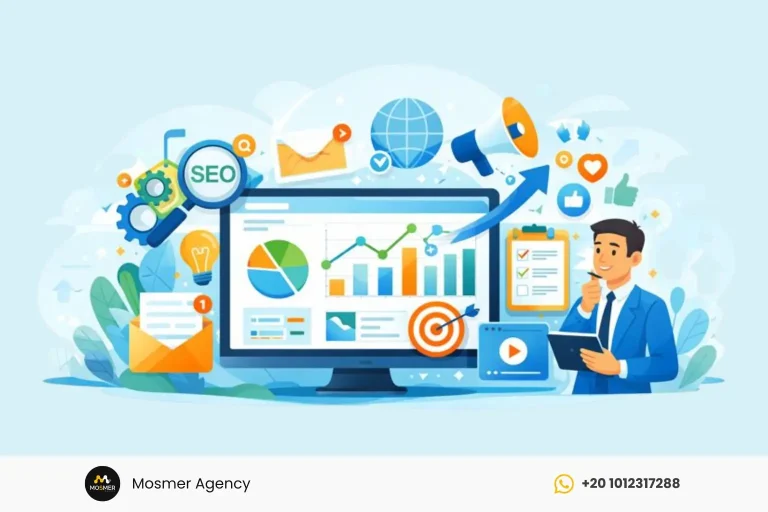
In practice, it is not a collection of isolated tactics. High-performing digital marketing works as an integrated system where every channel supports a specific role in the customer journey—from awareness to conversion and retention.
This system is powered by digital marketing sites, platforms, and tools, but its success depends on strategy, not technology alone.
Core Types of Digital Marketing (Grouped by Business Objective)
1. Search Engine Optimization (SEO): Capturing High-Intent Demand
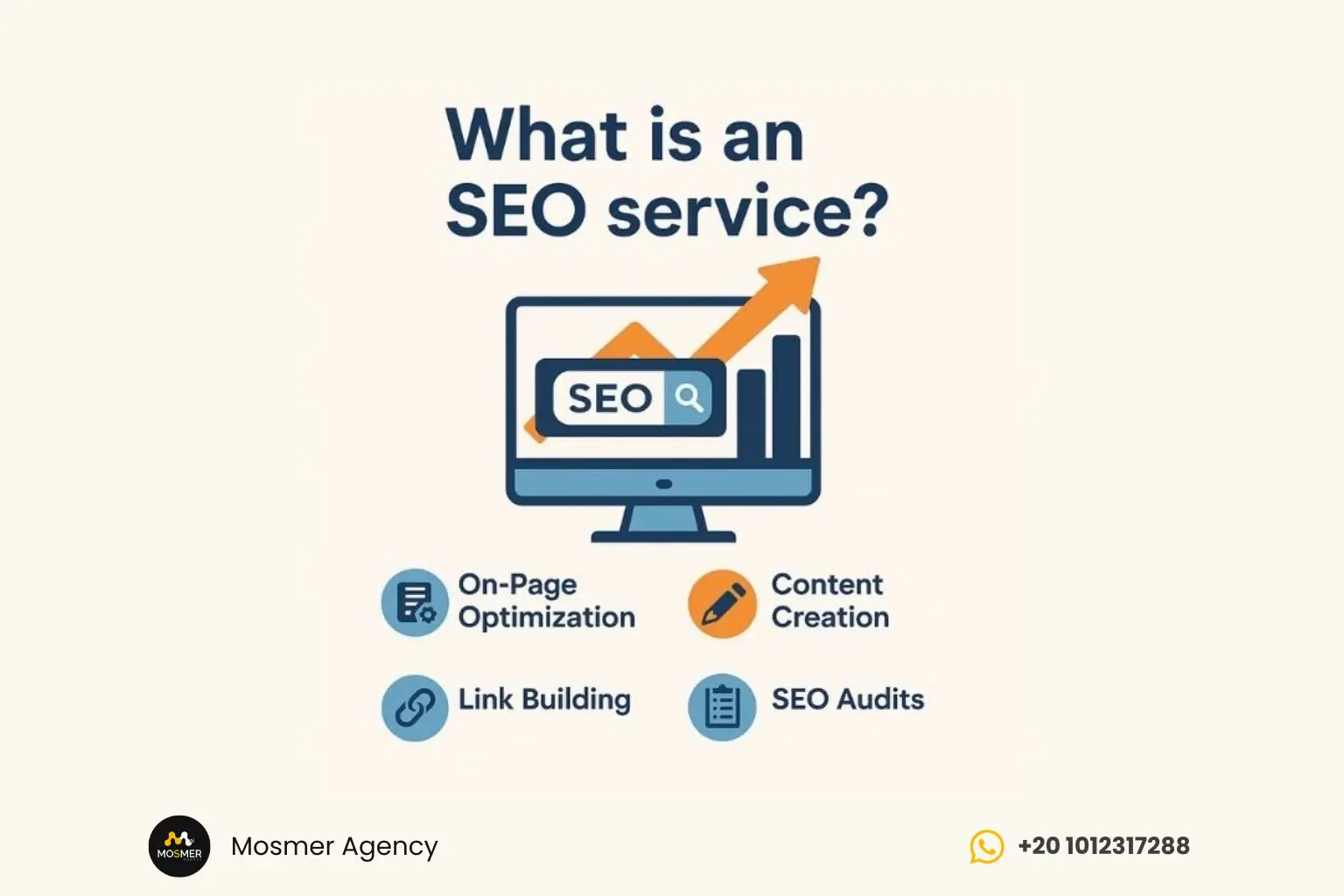
SEO focuses on increasing your website’s visibility in search engines for keywords that reflect real user intent.
Unlike short-term tactics, SEO is a long-term growth asset. It attracts users who are actively searching for solutions, services, or products—making it one of the most cost-effective types of digital marketing over time.
Key components include:
- Keyword research aligned with buyer intent
- On-page optimization (titles, content, internal structure)
- Technical SEO (speed, mobile usability, crawlability)
- Authority building through quality content and links
SEO works best when it focuses on conversions, not just rankings.
2. Paid Advertising (PPC & Paid Social): Speed, Testing, and Scalability
Paid advertising delivers immediate visibility through platforms such as search engines and social networks.
This type of digital marketing is ideal for:
- Launching new products or services
- Testing offers and messaging
- Scaling results once profitability is proven
However, paid ads are only effective when supported by:
- Optimized landing pages
- Clear conversion goals
- Accurate tracking and analytics
Paid advertising delivers results fastest when aligned with a clear digital marketing strategy.
3. Content Marketing: Educating Buyers Before They Convert
Content marketing plays a central role in modern digital marketing strategies. It focuses on creating valuable content that:
- Answers buyer questions
- Builds trust and authority
- Reduces sales friction
High-performing content is not limited to blog posts. It includes guides, case studies, landing pages, and educational resources designed to move users closer to a decision.
Content does not replace sales—it prepares prospects to convert faster and with more confidence.
4. Social Media Marketing: Visibility, Trust, and Brand Recall
Social media marketing helps businesses stay visible where their audience already spends time.
Its role varies by platform and audience, but generally includes:
- Brand awareness
- Community engagement
- Supporting content distribution and paid campaigns
Organic social builds trust and familiarity, while paid social accelerates reach. Alone, social media rarely drives direct conversions—but it significantly influences buying decisions.
5. Email Marketing & Automation: Turning Traffic into Revenue
Email marketing is one of the highest-ROI digital marketing channels when used strategically.
It supports:
- Lead nurturing
- Customer retention
- Upselling and cross-selling
When combined with automation and CRM systems, email becomes a predictable revenue engine that strengthens long-term customer relationships.
6. Affiliate & Influencer Marketing: Leveraging External Authority
Affiliate and influencer marketing rely on third-party audiences to promote your brand.
This type works best when:
- Tracking and attribution are clear
- Partners align with brand values
- Performance is measured, not assumed
It is especially effective for eCommerce and scalable digital products.
How a Digital Marketing Strategy Connects These Types
A digital marketing strategy defines how different channels work together—not which channel to use in isolation.
A simple strategic framework looks like this:
- Demand capture: SEO and paid search
- Trust building: Content marketing and social media
- Conversion: Landing pages, CRO, and email
- Retention: Email automation and CRM
Without strategy, businesses often overspend on tools and channels that never reach profitability.
Digital Marketing Sites & Platforms That Power Execution
Digital marketing relies on platforms, but success depends on choosing the right categories—not using every tool available.
Key platform categories include:
- Analytics and performance tracking platforms
- Advertising platforms
- SEO and content research platforms
- Automation and CRM systems
The goal is clarity, measurement, and efficiency—not complexity.
How to Choose the Right Types of Digital Marketing for Your Business
Choosing the right mix depends on:
- Business model (B2B, B2C, eCommerce)
- Sales cycle length
- Budget and growth timeline
- Internal resources and expertise
Businesses with long sales cycles benefit from SEO and content, while short sales cycles often rely more on paid advertising and email. The most successful brands combine both.
Common Mistakes Businesses Make
- Choosing channels based on trends, not data
- Running ads without SEO foundations
- Publishing content without conversion paths
- Using digital marketing sites without a clear strategy
These mistakes lead to activity—but not measurable growth.
Contact Us Now
Choosing the right types of digital marketing starts with strategy, not guesswork.
At Mosmer Agency, we help businesses build data-driven digital marketing strategies that convert—with exclusive offers and discounts up to 50% available for a limited time.
FAQs
1. What are the main types of digital marketing?
The main types include SEO, paid advertising, content marketing, social media marketing, email marketing, and affiliate marketing.
2. How do I choose the right digital marketing strategy?
Start by defining your business goals, target audience, budget, and sales cycle, then align channels accordingly.
3. Is SEO better than paid advertising?
SEO delivers long-term results, while paid advertising delivers faster visibility. The best strategies use both.
4. What role do digital marketing sites play?
They provide the tools needed for execution, tracking, and optimization—but strategy determines success.
5. Can small businesses benefit from multiple digital marketing types?
Yes. Even small businesses can combine SEO, content, and targeted ads for scalable growth.
References
- https://developers.google.com/search/docs/fundamentals/seo-starter-guide
- https://www.searchenginejournal.com/digital-marketing-guide/
- https://www.hubspot.com/digital-marketing