Ecommerce is no longer a trend or a side channel. For many businesses, it has become the core engine of growth, revenue, and scalability.
If you are asking what is ecommerce business, you are likely considering one of two things: launching an online business for the first time, or transforming an existing offline or service-based business into a digital sales model.
This guide goes beyond simple definitions. It explains how an e-commerce business actually works, what makes an ecommerce website successful, and why strategy—not just products—determines long-term profitability.
Table of Contents
What Is an E-Commerce Business? (Real-World Definition)
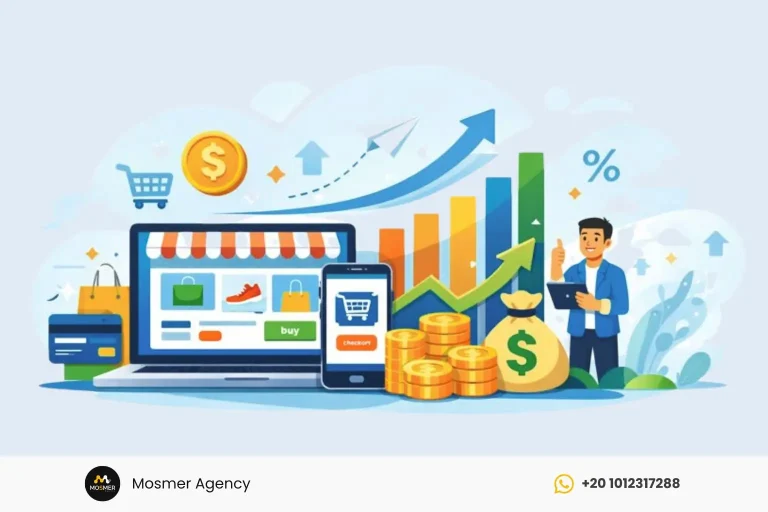
An e-commerce business is a digital business model where products or services are sold online through an ecommerce website that handles product display, payments, transactions, and customer interactions.
In practice, e-commerce is not just about selling online. It is a complete system that includes:
- A digital storefront (the website)
- Traffic generation
- Conversion optimization
- Secure payments
- Fulfillment and customer support
Businesses that treat e-commerce as “just a website” often fail. Those that treat it as a structured business model scale faster and more sustainably.
How an E-Commerce Business Actually Works (Step-by-Step)
Understanding the mechanics of an e-commerce business helps clarify where success—or failure—usually happens.
Step 1: Product or Service Selection
Every e-commerce business starts with demand. Successful brands validate:
- Market need
- Pricing feasibility
- Competitive positioning
Without demand, even the best ecommerce website will struggle.
Step 2: Ecommerce Website Setup
The ecommerce website acts as the central hub of the business. It must be designed to:
- Showcase products clearly
- Communicate trust
- Guide users toward purchase
This is where design, user experience, and performance intersect.
Step 3: Payment and Checkout Systems
A smooth checkout process is critical. Secure payment gateways, multiple payment options, and clear policies reduce cart abandonment and build customer confidence.
Step 4: Traffic Generation
Traffic comes from multiple sources:
- Search engines
- Paid advertising
- Social media
- Email campaigns
Without a traffic strategy, an e-commerce business remains invisible.
Step 5: Conversion Optimization
Visitors do not automatically become customers. Conversion optimization focuses on:
- Product page clarity
- Speed and mobile usability
- Trust signals and reviews
- Simple checkout flows
Step 6: Order Fulfillment and Customer Support
Fast delivery, transparent communication, and responsive support directly impact repeat purchases and brand loyalty.
Types of E-Commerce Business Models
Not all e-commerce businesses operate the same way. Choosing the right model affects pricing, marketing, and scalability.
B2C (Business to Consumer)
This is the most common model, where businesses sell directly to end customers. It typically involves:
- Shorter sales cycles
- Emotion-driven decisions
- Strong branding and user experience
B2B (Business to Business)
B2B e-commerce focuses on selling to other businesses. It often includes:
- Higher order values
- Longer decision-making processes
- Custom pricing or bulk orders
C2C and Marketplace Models
These platforms connect sellers with buyers and rely heavily on trust, usability, and transaction volume. Success depends on platform reliability and user experience.
What Makes a Successful Ecommerce Website?
An ecommerce website is not judged by how it looks—but by how it performs.
Key elements of a high-performing ecommerce website include:
Mobile-First Design
Most e-commerce traffic comes from mobile devices. A mobile-first approach ensures smooth navigation and fast loading on all screen sizes.
Speed and Performance
Slow websites lose customers. Fast loading times improve user experience, conversions, and search engine visibility.
Clear Product Pages
Successful product pages include:
- High-quality visuals
- Clear descriptions
- Transparent pricing
- Simple calls to action
Secure and Simple Checkout
Security badges, SSL certificates, and minimal checkout steps reduce friction and increase completed purchases.
SEO-Ready Structure
Search-friendly URLs, clean site architecture, and optimized content help ecommerce websites attract organic traffic consistently.
Ecommerce Website vs Social Media Selling
Many businesses sell directly through social media platforms. While this can generate quick sales, it comes with limitations.
An ecommerce website offers:
- Full control over branding
- Ownership of customer data
- Scalability and long-term growth
Social platforms can change algorithms or policies at any time. An ecommerce website is a business asset, not a rented space.
An ecommerce website gives businesses full control over branding, data, and scalability.
How Digital Marketing Fuels E-Commerce Growth
An e-commerce business grows through visibility, trust, and optimization.
Key digital marketing pillars include:
- SEO: Drives long-term organic sales through product and category pages
- Paid Advertising: Generates immediate traffic and revenue
- Content Marketing: Builds trust and educates buyers
- Email Marketing: Retains customers and increases lifetime value
Each channel supports a different stage of the customer journey. Together, they create sustainable growth.
Common Mistakes New E-Commerce Businesses Make
Many e-commerce businesses fail not because of poor products, but because of avoidable mistakes:
- Launching without a traffic strategy
- Ignoring SEO structure from the beginning
- Overloading the website with unnecessary features
- Poor checkout experience
- No tracking or performance measurement
Avoiding these mistakes significantly increases the chances of success.
How to Start an E-Commerce Business the Right Way
Starting correctly saves time, money, and frustration.
A strategic approach includes:
- Market and competitor research
- Choosing the right business model
- Planning a scalable ecommerce website
- Setting up secure payments and logistics
- Developing a digital marketing strategy
- Measuring, optimizing, and scaling
Professional planning at this stage often determines long-term profitability.
Contact Us Now
Building a successful e-commerce business requires more than launching a website. It demands the right strategy, technology, and marketing foundation.
At Mosmer Agency, we help businesses design high-converting ecommerce websites and scalable growth strategies—with exclusive offers and discounts up to 50% available for a limited time.
FAQs
1. What is an e-commerce business in simple terms?
An e-commerce business sells products or services online through an ecommerce website that manages sales, payments, and customer interactions.
2. Do I need an ecommerce website to sell online?
Yes. While social platforms help with exposure, an ecommerce website provides control, scalability, and long-term growth.
3. How much does it cost to start an e-commerce business?
Costs vary based on website complexity, products, and marketing strategy, but proper planning helps control expenses.
4. What makes an ecommerce website successful?
Speed, mobile usability, clear product pages, secure checkout, and SEO-ready structure are essential.
5. Can small businesses compete in e-commerce?
Yes. With the right niche, strategy, and optimized ecommerce website, small businesses can compete effectively.