Every day, billions of searches are performed on Google by people looking for information, products, services, and solutions. With so many websites competing for attention, simply having an online presence is no longer enough. If your pages don’t appear when potential customers search, your business risks being overlooked.
This is where Google search engine optimization (SEO) becomes essential.
SEO helps Google discover, understand, and rank your content so it can appear in relevant search results. More importantly, SEO helps attract the right visitors—people who are actively searching for what you offer. Unlike paid advertising, which stops generating traffic when budgets end, SEO can deliver sustainable visibility and long-term growth.
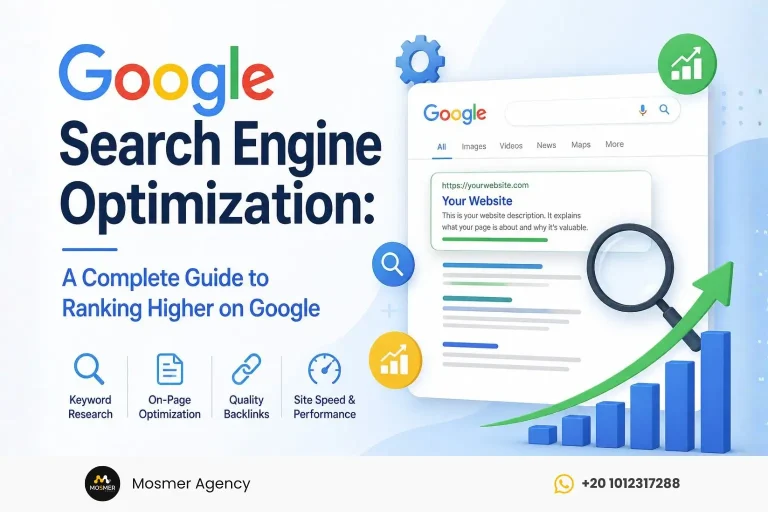
Direct Answer: Google SEO is the practice of optimizing a website’s technical performance, content, and authority so Google can better understand and rank its pages for relevant searches, helping attract qualified organic traffic and long-term visibility.
Table of Contents
What Is Google Search Engine Optimization?
Google search engine optimization (SEO) is the process of improving a website so Google can crawl, understand, index, and rank its pages more effectively.
SEO combines technical improvements, content optimization, and authority-building strategies to increase visibility in organic search results.
How Google Search Works
Before a page can appear in search results, Google typically moves through three stages:
Crawling
Google uses automated systems known as Googlebot to discover pages across the web through:
- Internal links
- External links
- XML sitemaps
- Previously crawled pages
If Google cannot find a page, it cannot evaluate or rank it.
Indexing
After discovering a page, Google analyzes its content and decides whether to add it to its search index.
During indexing, Google evaluates:
- Page topic
- Content quality
- Page structure
- Images and media
- Internal and external links
Pages with technical issues, duplicate content, or little value may not be indexed.
Ranking
Once indexed, Google determines where a page should appear for specific searches.
Ranking decisions are based on factors such as:
- Relevance to the search query
- Content quality
- Website authority
- Mobile usability
- Page speed
- User experience
Google Search works through crawling, indexing, and ranking. SEO helps improve each stage so pages can be discovered, understood, and displayed for relevant searches.
The Core Components of SEO
Successful SEO relies on three primary pillars.
Technical SEO
Technical SEO ensures search engines can access and understand your website efficiently.
Key areas include:
Crawlability
A clear site structure, proper internal linking, and XML sitemaps help Google discover important pages.
Site Structure
Logical organization helps users navigate content and helps Google understand relationships between pages.
Mobile Friendliness
Since most searches happen on mobile devices, websites must provide a seamless experience across all screen sizes.
Website Speed
Fast-loading websites improve user satisfaction and support better search performance.
On-Page SEO
On-page SEO focuses on optimizing individual pages.
Title Tags and Meta Descriptions
Clear titles and descriptions help search engines understand content and encourage users to click.
Heading Structure
Using H1, H2, and H3 headings improves readability and content organization.
Internal Linking
Internal links help users discover related content while helping Google understand website structure.
Content Optimization
High-quality content should answer user questions, satisfy search intent, and provide useful information.
Off-Page SEO
Off-page SEO focuses on authority and trust signals outside your website.
Backlinks
Links from reputable websites act as signals of credibility and authority.
Brand Mentions
References to your business across the web can strengthen your online presence.
Authority and Trust
Consistently publishing valuable content and earning recognition from trusted sources helps build long-term authority.
Technical SEO, On-Page SEO, and Off-Page SEO work together to improve visibility, usability, and authority in Google Search.
What Good SEO Content Looks Like
Publishing content alone does not guarantee rankings. Effective SEO content focuses on helping users achieve their goals.
Search Intent Comes First
Every search query reflects a specific purpose.
For example:
- “What is SEO?” seeks information.
- “SEO agency near me” indicates commercial intent.
Content that aligns with user intent is far more likely to rank and perform well.
Characteristics of High-Quality SEO Content
Strong SEO content is:
Focused
Each page should cover a specific topic clearly.
Well Structured
Headings, short paragraphs, and logical organization improve readability.
Original
Unique insights and expertise help differentiate content from competitors.
Easy to Read
Clear language improves engagement and user satisfaction.
Create People-First Content
Google prioritizes content that helps users rather than content written solely to manipulate rankings.
Keyword stuffing and outdated SEO tactics no longer work. Instead, focus on relevance, expertise, clarity, and usefulness.
The best SEO content satisfies search intent, provides valuable information, and prioritizes the user experience.
Why Google SEO Matters
SEO delivers benefits that extend beyond rankings.
Attracting High-Intent Visitors
Search users are actively looking for information, products, or services.
Because these visitors already have a need or interest, they are often more likely to engage, convert, or become customers.
Building Long-Term Visibility
Unlike paid advertising, SEO can continue generating traffic long after content is published.
Well-optimized pages can attract visitors for months or even years, creating sustainable growth.
Supporting Business Growth
SEO benefits a wide range of businesses, including:
- Service providers
- E-commerce stores
- Blogs and publishers
- Local businesses
By improving visibility in relevant searches, SEO helps organizations reach potential customers when they are actively seeking solutions.
SEO helps businesses attract qualified traffic, build long-term visibility, and support sustainable growth.
Practical Google SEO Tips for Beginners
1. Conduct Keyword Research
Understand what your audience is searching for before creating content.
Useful tools include:
- Google Search Console
- Google Keyword Planner
- Semrush
- Ahrefs
2. Create Content That Answers Questions
Focus on solving user problems and addressing search intent thoroughly.
3. Improve Internal Linking
Connect related pages throughout your website to improve navigation and search engine understanding.
4. Optimize Website Performance
Prioritize:
- Mobile usability
- Fast loading speeds
- Clean site structure
5. Build Trust and Authority
Earn high-quality backlinks and establish credibility through valuable content and industry recognition.
Successful SEO starts with keyword research, helpful content, strong internal linking, good performance, and trusted authority signals.
Common SEO Mistakes to Avoid
Keyword Stuffing
Overusing keywords creates poor user experiences and can hurt content quality.
Thin Content
Pages with little value or incomplete information struggle to compete in search results.
Ignoring Technical SEO
Issues such as crawl errors, slow speeds, and indexing problems can prevent content from performing well.
Poor Internal Linking
Without strategic internal links, search engines may struggle to understand page relationships.
Neglecting Mobile Experience
Mobile usability is essential because a large percentage of searches occur on smartphones.
Avoid keyword stuffing, thin content, technical issues, weak internal linking, and poor mobile experiences.
Essential SEO Tools
Google Search Console
Monitor search performance, indexing, and crawl issues.
Google Analytics
Track traffic, user behavior, and conversions.
Semrush
Research keywords, competitors, and content opportunities.
Ahrefs
Analyze backlinks and keyword performance.
PageSpeed Insights
Identify opportunities to improve website speed.
Google Keyword Planner
Discover keyword ideas and search volume estimates.
Google Search Console, Google Analytics, Semrush, and Ahrefs form the foundation of a strong SEO toolkit.
How to Measure SEO Success
Tracking performance helps determine whether your SEO efforts are producing results.
Key metrics include:
Organic Traffic
The number of visitors arriving through unpaid search results.
Keyword Rankings
Positions for target keywords in Google Search.
Click-Through Rate (CTR)
The percentage of users who click your search result.
Conversion Rate
The percentage of visitors who complete desired actions such as purchases, bookings, or inquiries.
Indexed Pages
The number of pages successfully stored in Google’s index.
Backlink Growth
The quality and quantity of websites linking to your content.
Successful SEO measurement focuses on visibility, engagement, conversions, indexing, and authority growth.
Quick SEO Checklist
Before publishing or optimizing a page, ask:
✔ Can Google crawl and index the page?
✔ Does the content match search intent?
✔ Is the information useful and original?
✔ Are titles and headings optimized?
✔ Are relevant internal links included?
✔ Is the website mobile-friendly?
✔ Does the page load quickly?
✔ Are there opportunities to earn backlinks?
✔ Is user experience clear and intuitive?
✔ Are performance metrics being tracked?
Frequently Asked Questions
What is Google search engine optimization?
Google SEO is the process of improving a website so Google can crawl, understand, index, and rank its pages more effectively, increasing visibility and organic traffic.
How does Google SEO work?
SEO helps Google crawl, index, and rank your content. By improving technical performance, content quality, and authority signals, websites become more visible in search results.
What are the three main types of SEO?
The three main categories are Technical SEO, On-Page SEO, and Off-Page SEO.
How long does SEO take to show results?
Most websites begin seeing noticeable improvements within 3–6 months, although timing depends on competition, authority, and content quality.
Is SEO better than Google Ads?
They serve different purposes. Google Ads delivers immediate traffic, while SEO builds long-term organic visibility. Many businesses benefit from using both.
What is the difference between crawling and indexing?
Crawling is Google’s process of discovering pages. Indexing is the process of analyzing and storing those pages in Google’s search database.
Why is SEO important for businesses?
SEO increases visibility, attracts qualified visitors, generates leads, builds credibility, and supports long-term growth.
What tools help improve Google SEO?
Popular SEO tools include Google Search Console, Google Analytics, Semrush, Ahrefs, Google Keyword Planner, and PageSpeed Insights.
Conclusion
Google search engine optimization is the process of helping Google discover, understand, and rank your content so it can reach the right audience.
Successful SEO depends on three core areas: technical optimization, high-quality content, and authority building. When these elements work together, businesses can improve visibility, attract qualified traffic, and generate sustainable growth.
SEO is not a one-time project. The most successful websites continuously improve their content, technical performance, and user experience to remain competitive in search results.
How Can Mosmer Agency Help You?
Strategic SEO That Drives Real Growth
At Mosmer Agency, we help businesses increase their visibility in Google Search through data-driven SEO strategies designed to attract qualified traffic and support long-term growth.
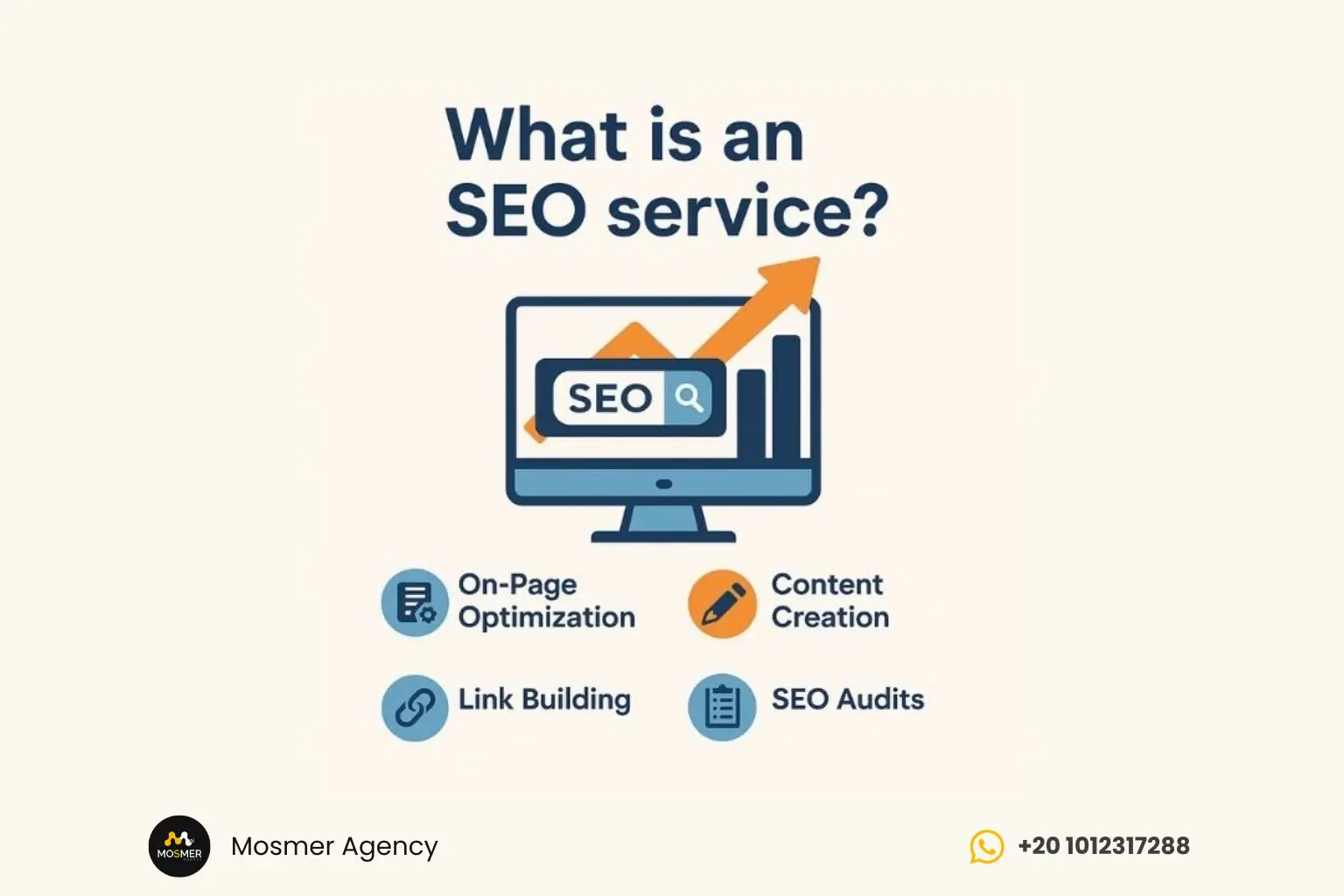
Our SEO Services Include:
SEO Audits
Comprehensive analysis of technical issues, content gaps, indexing problems, and optimization opportunities.
Technical SEO Optimization
Improvements to crawlability, indexing, site structure, mobile usability, and website performance.
Content Strategy
SEO-focused content planning built around search intent, keyword opportunities, and customer needs.
On-Page Optimization
Optimization of titles, meta descriptions, content structure, internal linking, and page-level SEO elements.
Authority Building
Strategies that strengthen credibility through quality backlinks, brand visibility, and trust-building initiatives.
Whether your goal is to increase organic traffic, generate leads, or strengthen your online presence, Mosmer Agency can help you build an SEO strategy designed for sustainable long-term growth.