Although digital marketing has become one of the most powerful growth tools for businesses, many campaigns still fail to deliver the expected results. In most cases, the issue is not a lack of budget, but strategic mistakes that lead to wasted resources and weak return on investment.
Whether you run an e-commerce store or provide services online, avoiding common digital marketing mistakes can make a significant difference in engagement and sales performance. In this article, we explore the most critical mistakes and explain how to address them in a practical and structured way.
Table of Contents
Summary: Common digital marketing mistakes include failing to clearly define the target audience, lacking a clear strategy, and neglecting data analysis. These issues often result in poor performance and wasted budget. Avoiding them requires a deep understanding of your audience, setting measurable goals, and relying on analytics to make data-driven decisions.
Failing to Clearly Define the Target Audience
Targeting a broad or undefined audience is one of the most common digital marketing mistakes. Without a clear picture of who you are trying to reach, marketing messages become generic and ineffective, leading to lower engagement and conversion rates.
Sending the same message to everyone does not mean reaching more customers; it often means failing to reach the right person at the right time. Differences in interests, age groups, purchasing behavior, and stages of the customer journey directly affect campaign effectiveness.
The Solution
Start with a detailed analysis of demographic and behavioral data. Study age, location, interests, browsing behavior, and purchase history. Based on these insights, tailor your advertising messages and content to match the needs of each segment, increasing engagement and improving conversion opportunities.
Lack of a Clear Marketing Strategy
Launching marketing campaigns without a defined strategy is a major cause of poor results. Many businesses run ads or publish content randomly without clear objectives or timelines, making it difficult to measure success.
Without a clear direction, efforts become scattered, budgets are consumed inefficiently, and it becomes unclear whether the campaign is generating a meaningful return. The absence of key performance indicators (KPIs) makes it harder to determine whether adjustments are necessary.
The Solution
Begin by setting SMART goals that are:
- Specific
- Measurable
- Achievable
- Relevant
- Time-bound
In addition, define a clear budget and campaign timeline. Monitor performance regularly to ensure targets are met and make improvements when needed.
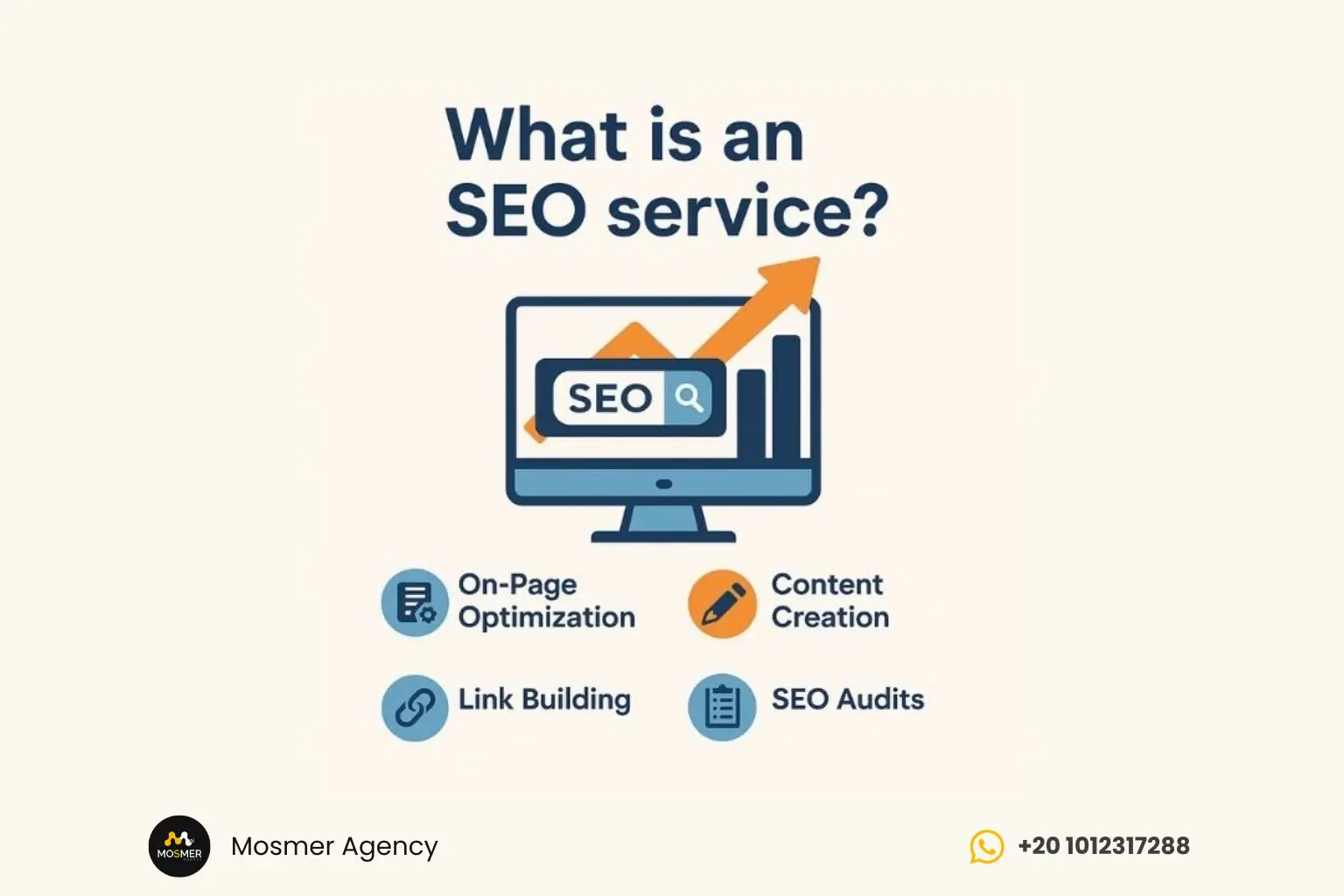
Neglecting Search Engine Optimization (SEO)
Ignoring SEO weakens your website’s ability to appear in organic search results, forcing businesses to rely entirely on paid advertising for traffic. This approach can become costly over time, especially in highly competitive industries.
Failing to invest in SEO means missing opportunities to reach customers who are actively searching for your products or services. It also reduces the potential to build long-term digital authority.
The Solution
To improve performance, focus on:
- Selecting relevant keywords that reflect search intent
- Creating high-quality content that provides real value
- Optimizing technical website elements such as speed and user experience
- Building trustworthy backlinks to strengthen site credibility
Integrating SEO into your overall marketing strategy reduces dependency on paid ads and establishes sustainable long-term growth.
Relying Entirely on Paid Advertising (PPC)
Focusing solely on paid ads without building organic assets is a common strategic mistake. While PPC campaigns can deliver fast results, those results stop immediately once the budget runs out.
Heavy reliance on paid ads ties growth directly to spending and prevents the development of long-term digital assets such as optimized content and strong organic visibility. Any pause in campaigns can quickly lead to traffic and sales decline.
The Solution
Create a balance between paid and organic channels.
Use ads to generate immediate traffic or promote specific offers while investing in content and SEO to build a sustainable digital presence. This balanced approach reduces risk and increases long-term stability.
Comparison of Key Digital Marketing Mistakes
To better understand the impact of these mistakes, here is a simplified comparison:
| Mistake | Main Impact | Core Solution |
| Over-promotion | Audience fatigue and low engagement | Balance value-driven and promotional content |
| No A/B Testing | Unoptimized campaigns | Test ads and headlines regularly |
| Ignoring email marketing | Losing existing customers | Personalize messages and provide value |
| No data analysis | Random decision-making | Use analytics tools such as Google Analytics |
| Inconsistent content | Weak brand identity | Maintain a consistent publishing schedule |
These mistakes may seem minor, but they directly affect campaign performance and ROI.
Neglecting Engagement and Personalization
In a digital environment built on trust and relationships, ignoring audience interaction can significantly damage brand perception. Failing to respond to comments or messages, or sending generic content, reduces loyalty and weakens customer relationships.
Ignoring the different stages of the buyer journey also results in poorly timed or irrelevant messages, lowering conversion chances.
The Solution
Engage actively with your audience and respond to inquiries promptly and professionally.
Use available data and AI tools to personalize content and offers based on user behavior and interests. Personalization strengthens trust and increases customer retention.
How to Avoid Digital Marketing Mistakes: A Practical Framework
Avoiding common digital marketing mistakes is not about increasing your budget; it is about improving strategic thinking and execution. Apply the following framework:
Define your audience clearly
Create detailed buyer personas based on real customer data, behavioral insights, and market research rather than assumptions. The clearer your understanding of your audience’s needs, challenges, and motivations, the more precise and effective your messaging will be.
Set clear, measurable goals
Establish SMART objectives that are specific, measurable, achievable, relevant, and time-bound. Define clear KPIs and monitor them consistently to ensure your efforts are aligned with tangible business outcomes.
Make data-driven decisions
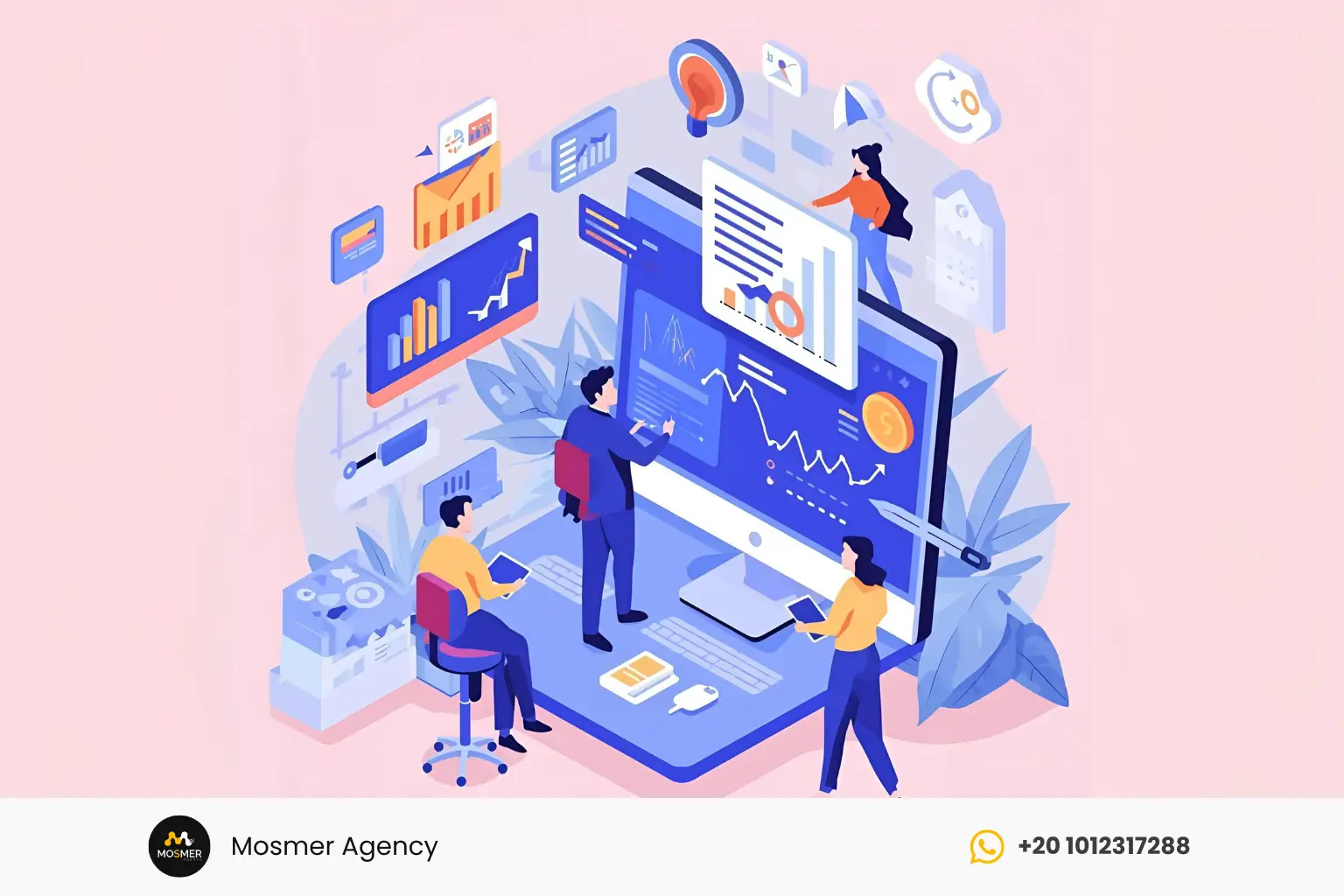
Base your marketing decisions on analytics, not intuition. Track user behavior, conversion rates, and campaign performance through reliable analytics tools, and refine your strategy according to actual performance data.
Balance paid and organic channels
Avoid relying solely on paid advertising for growth. Combine paid campaigns with long-term organic strategies such as SEO and content marketing to build sustainable visibility and reduce customer acquisition costs over time.
Test and optimize continuously
Implement A/B testing across ads, headlines, creatives, and landing pages. Continuous testing and incremental improvements ensure better performance, higher conversion rates, and improved return on investment.
This structured approach transforms digital marketing from a random activity into a data-driven strategic process.
Frequently Asked Questions
What are the most common digital marketing mistakes?
The most common mistakes include failing to define the target audience, lacking a clear strategy, and ignoring data analysis.
Why do some advertising campaigns fail?
Campaigns often fail due to poor targeting, lack of message testing, or unclear measurable objectives.
Can businesses rely only on paid advertising?
Relying entirely on paid ads ties results directly to budget. A mix of paid and organic marketing is more sustainable.
How do I build a successful digital marketing strategy?
Start with clear goals, understand your audience, choose the right channels, and continuously monitor performance.
What role does analytics play in improving performance?
Analytics helps understand user behavior, measure results, and make data-driven decisions instead of relying on assumptions.
Conclusion
Common digital marketing mistakes are not minor details; they directly impact campaign success and return on investment. Clearly defining your audience, setting a structured strategy, continuously analyzing data, and balancing marketing channels are essential elements for sustainable digital growth.
Success in digital marketing is not determined by budget size alone, but by clarity of vision, quality of execution, and the ability to optimize consistently.
How Can Mosmer Agency Help You?
Avoiding common digital marketing mistakes requires strategic expertise and precise analysis of audience behavior and performance data. At Mosmer Agency, we help businesses build integrated, data-driven digital marketing strategies that combine content, advertising, and SEO to achieve measurable and sustainable results.
If you would like to evaluate your marketing performance and develop a clear growth plan, get in touch to discover how we can help improve your digital results more effectively.
References
- UAE Professional Development – 15 Common Mistakes to Avoid in Digital Marketing
- Click Your Future – Guide to Common Digital Marketing Mistakes
- Hamar Marketing Studio – Top 10 Digital Marketing Mistakes
- MOIAS – Common Marketing Mistakes
- Balarab – Common Mistakes in E-commerce Marketing