With the rapid advancement of technology and the increasing reliance on the internet in everyday life, the world has witnessed a major shift toward digital marketing as a fundamental tool for business growth. Companies no longer rely solely on traditional advertising methods such as television or newspapers to reach customers. Instead, the internet has become the primary channel for communicating with audiences and attracting potential customers.
Consumer behavior has also changed significantly in recent years. Most customers now begin their purchasing journey by searching online, whether to compare products, read reviews, or find the best deals. This shift has made having a digital presence essential for businesses to remain competitive and reach customers at the right time.
For this reason, companies today seek to understand the benefits of digital marketing and how it can help them reach a broader audience while achieving better results at a lower cost compared to traditional marketing methods. With the continuous development of analytics tools and artificial intelligence, digital marketing has become more capable of delivering measurable results and enabling continuous improvement.
In this article, we will explore in detail the benefits of digital marketing and why it has become the preferred choice for businesses in 2026 to achieve growth and increase sales in an increasingly competitive digital environment.
Table of Contents
Direct Answer Summary
The benefits of digital marketing lie in its ability to reach a global audience at a lower cost compared to traditional marketing, while enabling precise customer targeting and real-time measurement of campaign results. It also allows businesses to interact directly with customers and improve their strategies based on data and analytics.
Compared to traditional marketing, digital marketing provides greater flexibility in managing campaigns. Advertisements can be adjusted or optimized quickly based on actual performance data. This ability to measure and continuously improve performance makes digital marketing more efficient in achieving a higher return on investment.
For this reason, digital marketing has become the primary choice for companies seeking to build a strong online presence and achieve sustainable growth in the era of digital transformation.
What Is Digital Marketing?
Digital marketing refers to a set of strategies and techniques that use the internet and digital platforms to promote products or services and reach potential customers. This form of marketing relies on multiple channels such as search engines, social media platforms, email, and websites.
Unlike traditional marketing, which depends on media channels such as television or print advertising, digital marketing allows businesses to reach a wider audience with more precise targeting and the ability to measure campaign performance instantly.
The main digital marketing channels include:
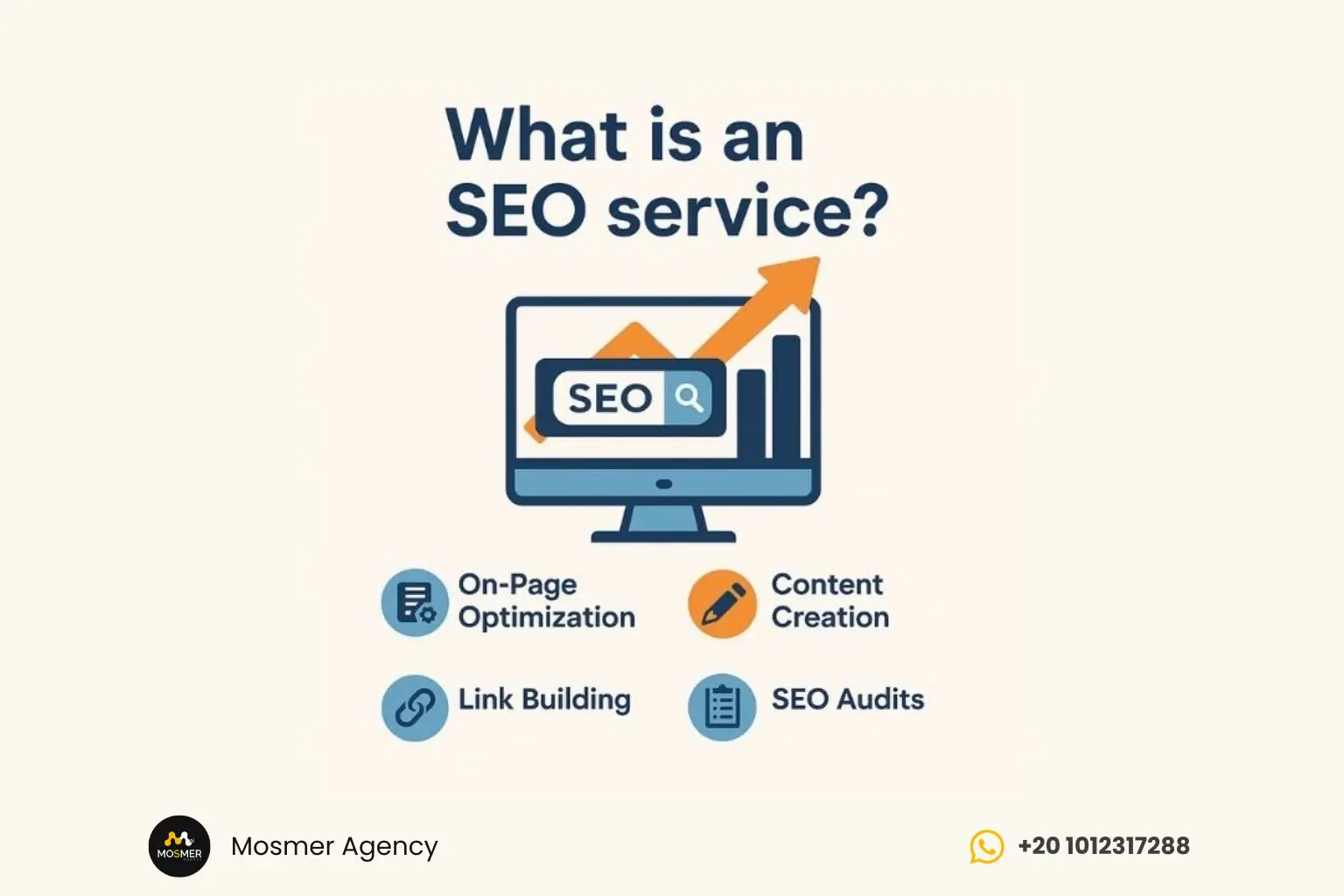
- Search Engine Optimization (SEO) to improve visibility in search results
- Online paid advertising such as Google Ads
- Social media marketing
- Content marketing and blogging
- Email marketing
These channels work together within an integrated strategy that helps businesses attract customers, build relationships with them, and convert them into loyal clients over time.
Global and Local Reach
One of the most important benefits of digital marketing is the ability to reach customers across different locations. Businesses are no longer limited to a specific geographic area as they were with traditional marketing. Thanks to the internet, any business can reach a wide audience both within and beyond its local market.
Reaching a Global Audience
Digital marketing provides a unique opportunity to connect with customers from all over the world. Websites, search engines, and social media platforms operate 24/7, allowing businesses to showcase their products and services to a global audience without the need for physical branches in every country.
The internet has also removed many of the barriers that previously limited business expansion, making competition more open and creating greater opportunities for growth.
The Internet Has No Borders
One of the key advantages of the internet is that it operates without time or geographic limitations. Customers can discover a brand, browse products, or contact a company at any time and from anywhere. This digital presence gives businesses continuous opportunities to reach new customers and generate sales throughout the day.
Global Expansion for Small Businesses
In the past, expanding into international markets required significant investment in physical locations and international advertising. Today, even small businesses and startups can reach global audiences through an online store or digital advertising campaigns, opening new opportunities for growth and expansion.
Local Targeting
In addition to global reach, digital marketing also allows businesses to target nearby customers with high precision, a strategy commonly known as local marketing.
Local Advertising
Businesses can use digital advertising to target users in specific locations such as a city or even a particular neighborhood. This type of advertising is especially valuable for local businesses like restaurants, retail stores, and professional services that want to attract nearby customers actively searching for similar products or services.
Google Maps and Local SEO
Tools such as Google Maps and Local SEO help businesses appear in local search results when users look for nearby services. For example, when someone searches for “restaurant near me,” businesses listed on Google Maps often appear among the top results, increasing the chances of visits and sales.
Lower Cost and Higher Return on Investment
One of the most significant advantages of digital marketing is that it allows businesses to run effective marketing campaigns at a much lower cost compared to traditional marketing methods such as television advertisements or billboards.
Compared to Traditional Marketing
Traditional marketing often requires large budgets to reach a broad audience, and measuring its effectiveness can be difficult or inaccurate. In contrast, digital marketing allows businesses to launch campaigns with flexible budgets that can be adjusted as needed, making it an ideal option for small and medium-sized companies.
Pay-Per-Click (PPC) Model
One of the most common digital advertising models is Pay Per Click (PPC), where advertisers pay only when a user clicks on their advertisement. This model ensures that the marketing budget is spent on users who have already shown interest, improving the efficiency of advertising spending.
Reducing Advertising Waste
Thanks to precise targeting and performance tracking, businesses can significantly reduce wasted advertising spend. If a campaign does not produce the expected results, it can be adjusted quickly or paused immediately, helping improve the overall return on investment (ROI).
Precise Targeting and Personalization
Another major strength of digital marketing is its ability to target the right audience with high precision, increasing the chances of converting visitors into actual customers.
Demographic Targeting
Digital campaigns can target specific groups of people based on factors such as age, gender, location, education level, or income. This allows businesses to present their advertisements to individuals who are more likely to be interested in their products or services.
Interest and Behavior Targeting
Beyond demographics, businesses can also target users based on their interests and online behavior. For example, campaigns can reach users based on the pages they follow, the content they engage with, or the products they search for online. This type of targeting makes advertising campaigns more accurate and effective.
Personalized Marketing Messages
Digital marketing also enables businesses to personalize marketing messages for different audience segments. For instance, new users may see different advertisements compared to returning customers, or personalized offers may be sent based on a customer’s previous interests or browsing behavior. This level of personalization enhances the user experience and increases engagement and conversion rates.
Measuring Results and Analytics
One of the most important benefits of digital marketing is the ability to measure the performance of marketing campaigns with high accuracy. Unlike traditional marketing, where it is often difficult to determine the real impact of advertisements, digital marketing provides advanced analytics tools that allow businesses to track results and understand customer behavior continuously.
Real-Time Performance Tracking
Digital marketing allows companies to monitor campaign performance instantly. Businesses can track metrics such as the number of visits, clicks, conversions, and even the amount of time users spend on a website. This type of data helps marketers understand what strategies are working well and what areas need improvement.
Analytics Tools such as Google Analytics
Tools like Google Analytics provide detailed insights into visitor behavior, including traffic sources, most viewed pages, and conversion rates. These tools also help analyze advertising campaign performance and identify the channels that are most effective in attracting customers.
Improving Campaigns Using Data
With access to real-time data and analytics, businesses can quickly adjust their marketing strategies. If a campaign is performing well, companies can increase their investment in it. On the other hand, campaigns with weak performance can be optimized or paused immediately. This data-driven approach helps continuously improve performance and achieve better results over time.
Comparison of the Main Benefits of Digital Marketing
To better understand the benefits of digital marketing, the key advantages and their impact on business growth can be summarized in the following table:
| Benefit | Description | Practical Example |
| Brand Awareness | Expanding brand visibility across online platforms | Facebook and Instagram campaigns |
| High Engagement | Direct and fast interaction with audiences | Comments and interactive content |
| Strategy Diversity | Using multiple marketing channels together | SEO + Ads + Email marketing |
| Improved Customer Experience | Providing instant support and personalized interactions | Chatbots and AI recommendations |
| Scalability | Ability to expand campaigns easily | Global targeting with a limited budget |
This comparison highlights how digital marketing offers a wide range of tools and strategies that help businesses increase visibility, improve customer experience, and boost sales.
Increasing Engagement and Building Customer Loyalty
Another key advantage of digital marketing is the ability to build a direct and ongoing relationship with customers. Digital marketing is not limited to promoting products or services; it also enables businesses to interact with their audiences and build long-term relationships.
Interactive Content
Interactive content such as polls, videos, and online contests helps attract audience attention and increase engagement. This type of content encourages users to interact with the brand and share content with others, expanding its reach.
Building Relationships with the Audience
Through continuous communication on social media and email marketing, businesses can build strong relationships with their customers. Responding to comments, sharing useful tips, or providing valuable content helps strengthen customer trust in the brand.
Improving the Customer Experience
Digital marketing also improves the overall customer experience by providing faster and more personalized services. For example, chatbots can respond instantly to customer inquiries, while artificial intelligence technologies can offer personalized recommendations based on a user’s interests and behavior.
The Role of Artificial Intelligence in Digital Marketing in 2026
With the rapid advancement of technology, artificial intelligence (AI) has become a key element in developing modern digital marketing strategies. In 2026, AI technologies play a major role in improving marketing campaign performance, delivering more personalized customer experiences, and analyzing large volumes of data to enable smarter and more accurate marketing decisions.
Content Personalization
Artificial intelligence helps businesses deliver personalized content tailored to each user based on their interests and online behavior. For example, digital platforms can analyze how users interact with content or products and then display advertisements or recommendations that better match their preferences. This level of personalization increases engagement and improves the chances of converting visitors into customers.
Faster Data Analysis
Digital marketing relies heavily on data, and AI enables companies to analyze massive amounts of information quickly and efficiently. Intelligent systems can identify patterns in user behavior, detect emerging marketing trends, and provide insights that help businesses continuously improve their strategies.
Advertising Optimization
AI also helps optimize advertising campaigns by analyzing ad performance and automatically adjusting campaigns to achieve better results. Smart systems can identify the audience most likely to engage with an advertisement and optimize budget allocation or ad timing to maximize return on investment.
When Is Digital Marketing Essential for Businesses?
Today, digital marketing has become a fundamental factor in the success of businesses of all sizes. As customers increasingly rely on the internet to research products and make purchasing decisions, it has become difficult for any business to achieve sustainable growth without a strong digital marketing strategy.
Small Businesses
For small businesses, digital marketing provides the opportunity to reach a large audience at a relatively low cost compared to traditional advertising. Through strategies such as social media marketing, search engine optimization, and digital advertising, small businesses can build a strong online presence and compete effectively in their markets.
E-commerce Stores
E-commerce businesses rely heavily on digital marketing to attract customers and increase sales. Through paid advertising, content marketing, and search engine optimization, online stores can increase website traffic and convert visitors into paying customers.
Companies Looking to Expand
Businesses that aim to expand into new markets need digital marketing strategies to reach a broader audience. Digital marketing allows companies to target customers in different geographic locations and analyze campaign performance easily, helping them make more informed and strategic decisions.
Common Mistakes in Digital Marketing
Despite the many benefits of digital marketing, some businesses make mistakes that reduce the effectiveness of their campaigns. Avoiding these mistakes can help companies achieve better results and maximize their return on investment.
Not Defining the Target Audience
One of the most common mistakes is launching marketing campaigns without clearly defining the target audience. When marketing messages are directed to a broad and undefined audience, engagement and conversion rates tend to decrease.
Ignoring Analytics
Data and analytics are among the most powerful advantages of digital marketing. However, ignoring this data can lead to ineffective marketing decisions. Regularly analyzing campaign performance allows businesses to identify what works and adjust their strategies accordingly.
Relying on a Single Marketing Channel
Depending on only one marketing channel—such as social media or paid advertising—can limit customer reach. The most effective approach is to use a combination of channels, including SEO, digital advertising, email marketing, and content marketing, to maximize results and reach different audience segments.
Frequently Asked Questions (FAQ)
What are the main benefits of digital marketing?
The most important benefits of digital marketing include the ability to reach a wide audience at a lower cost, target customers with high precision, and measure marketing campaign results in real time. It also allows businesses to interact directly with their audience and improve strategies based on data and analytics.
Is digital marketing better than traditional marketing?
Digital marketing does not completely replace traditional marketing, but in many cases it offers greater flexibility, lower costs, and more accurate performance measurement. It also allows businesses to adjust campaigns quickly and continuously optimize performance, making it a highly effective option for most companies in the digital age.
What is the cost of digital marketing?
The cost of digital marketing varies depending on the strategy used and the scale of the campaigns. Businesses can start with small budgets through digital advertising or social media marketing and gradually increase their investment as they achieve better results. This flexibility makes digital marketing suitable for businesses of all sizes.
Is digital marketing suitable for small businesses?
Yes, digital marketing is an excellent option for small businesses because it allows them to compete with larger companies at a lower cost. Through strategies such as search engine optimization and social media marketing, small businesses can build a strong online presence and reach a wider audience.
Conclusion
The benefits of digital marketing include global reach, lower advertising costs, precise customer targeting, and the ability to measure campaign performance instantly. It also enables businesses to interact directly with their audience and continuously improve their marketing strategies.
In an era of rapid digital transformation and increasing reliance on the internet, digital marketing has become an essential element for business success. Companies that invest in digital marketing strategies today are better positioned to compete and achieve sustainable growth in digital markets.
How Mosmer Agency Can Help You
Choosing the right digital marketing strategy requires a deep understanding of the market and the target audience. At Mosmer Agency, we help businesses build integrated digital marketing strategies that combine search engine optimization (SEO), paid advertising management, social media marketing, and content creation.
We analyze your business needs and identify the most effective channels to reach your customers and achieve the best return on investment. Whether you want to increase brand awareness or generate more online sales, we can help you implement a digital marketing plan that supports sustainable business growth.